
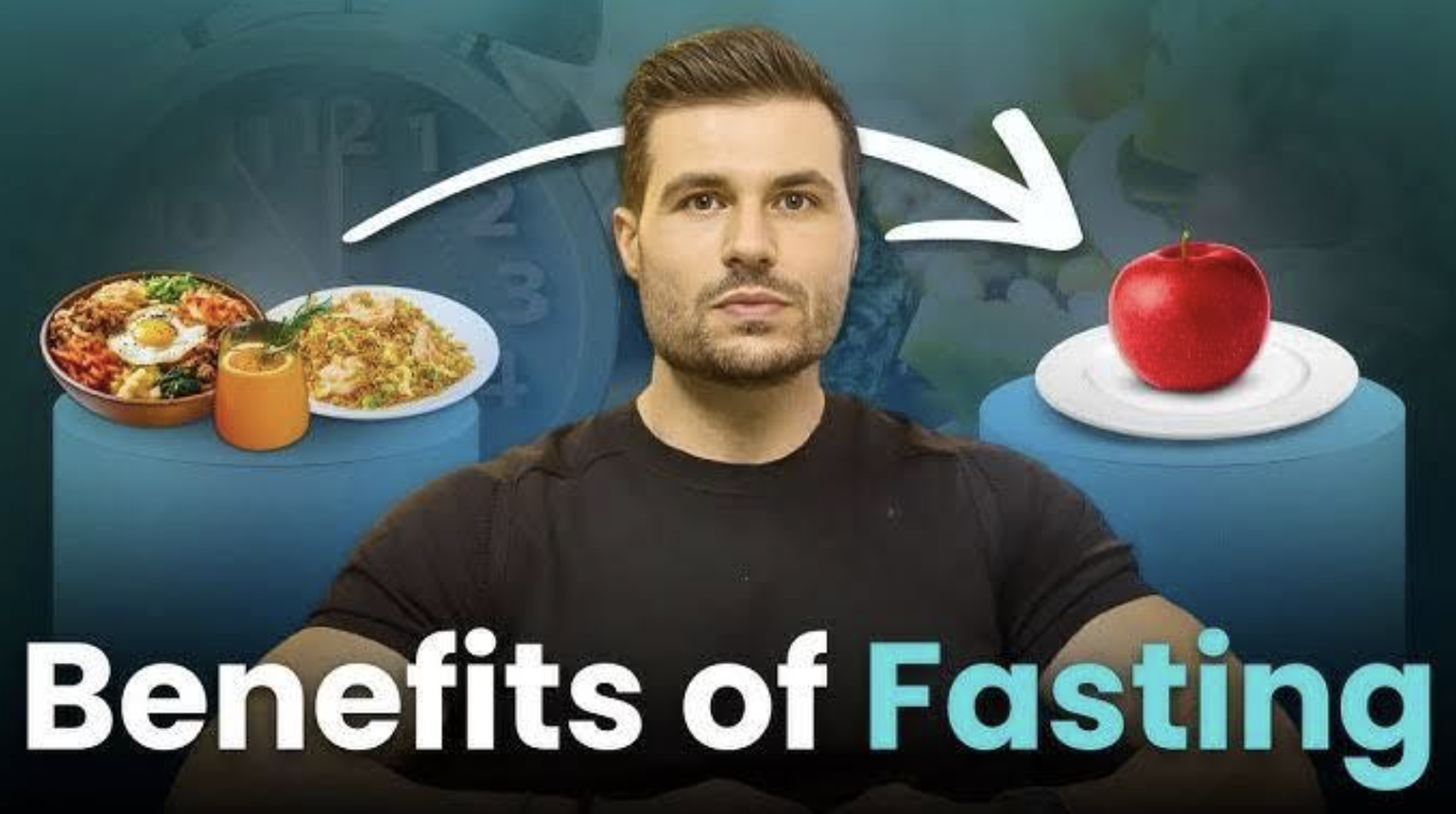
In today’s fast-moving world of biohacking and longevity trends, it’s easy to get pulled toward extremes—whether it’s marathon fasting, pharmaceutical stacks like Rapamycin and Metformin, or restrictive low-protein diets.
But as I shared in the latest episode of my podcast, SlowMyAge, real longevity isn’t about stacking interventions. It’s about creating balance that enhances both your biology and your life. Longevity isn’t about rigid self-denial—it’s about finding a sustainable rhythm that supports physical health and personal fulfillment.
If you’re looking for a grounded, practical perspective on aging well, this episode brings both clarity and real-world context.
Transcript
00:00:00
As interest in longevity grows, many people are turning to interventions designed to extend lifespan and enhance overall health. While these strategies range from dietary adjustments and fasting protocols to even pharmaceutical interventions and strict biohacking regimens, it’s crucial to approach them with a balanced perspective. Each intervention comes with unique advantages and potential downsides. So it’s important that we have careful consideration to maximize benefits while maintaining quality of life. One popular
00:00:34
intervention is caloric restriction. Caloric restriction is known to extend lifespan across multiple species and shows promise in humans as well by enhancing a process known as autophagy and reducing metabolic disease risk. But caloric restriction isn’t without drawbacks. In the short term, individuals might experience fatigue, irritability, hormonal imbalances like reduced testosterone and thyroid hormone, muscle loss if not coupled with adequate protein intake and resistance training, and social isolation due to
00:01:03
avoiding shared meals. Caloric restriction must be approached carefully, especially for people who are prone to disordered eating or orthorexia, athletes requiring high energy intake, or older adults vulnerable to sarcopenia or muscle loss. Second is fasting. Whether it be intermittent fasting, prolonged or alternate day fasting, it promotes autophagy, the process of cellular cleanup, and it reduces inflammation. It leads to improved metabolic markers, potentially extending lifespan. But on the downside, fasting may lead to
00:01:34
temporary cognitive impairment in the form of brain fog, irritability, hunger induced stress, disrupted sleep patterns, and social disconnection from communal meals. Longer fasting periods might even temporarily suppress immune function. Individualized approaches are important to maximize the benefits and minimize the adverse effects. Third, low protein or plant-based diets in order to reduce mtor a growth pathway is actually found to potentially extend lifespan via low protein diets and plant-based diets,
00:02:08
particularly when implemented in early and midlife. But significant drawbacks include muscle loss, particularly in older adults, and potential nutrient deficiencies such as B12, iron, choline, and omega-3 fatty acids. Many individuals also report increased hunger, low energy, and mood disturbances. Strategically cycling periods of low and higher protein intake might balance longevity benefits with maintaining muscle health. For those over 65, low protein diets are not advised because of the importance of
00:02:39
maintaining muscle. Fourth is rapamy which inhibits mTor. It’s a prescription drug which shows promise for extending lifespan in practically every animal species it’s ever been studied in reducing cancer risk mimicking caloric restriction effects. But high doses can cause imunosuppression increasing the risk of infections delaying wound healing and causing glucose intolerance. Having pulseed or intermittent dosing strategies can help to mitigate some of these risks and improve overall safety. Only ever consider rapamy when under
00:03:13
doctor supervision. That’s very important. Fifth is metformin. Metformin improves glucose metabolism and reduces inflammation potentially mimicking caloric restriction benefits. It’s prescribed to diabetics for this reason. Its drawbacks include gastrointestinal discomfort, but that usually settles itself in the first week or two. Potential reduction in benefits from exercise can occur after taking metformin and lower energy levels due to reduced mitochondrial function. Metformin may be beneficial for those
00:03:44
with existing metabolic disorders rather than those who are highly active, metabolically fit individuals. Again, first consult a medical doctor before ever taking metformin. Sixth is stacking longevity interventions, whether prescriptions or supplements or even other longevity interventions. They can amplify benefits, but also in many cases they can actually increase the risk of unknown or harmful interactions, especially because we don’t have extensive human studies on stacking these. There are influencers who combine
00:04:18
prescription drugs, hormones, even going as far as genetic modifications in, I would say, a haphazard way, which can ironically significantly increase their risk for harm. Simpler, thoroughly understood stacks are safer and potentially more effective for longevity purposes. Seven, sleeping alone to optimize sleep quality. It sounds crazy, but some are doing it. They prioritize their sleep to such a degree that they insist that they sleep alone. Yet, this practice may adversely affect intimacy and emotional connection with a partner.
00:04:50
And we know that social connection and a long-term partner can significantly improve health and longevity. Eight is strict biohacking and extreme longevity protocols. Biohacking and extreme longevity protocols are unproven. Even if they do optimize biomarkers and enhance longevity pathways, these overly rigid routines can create stress, anxiety about aging and health and reduce spontaneity in life, negatively affecting relationships and enjoyment of life. What’s the point of increasing your quantity of life if it comes at the
00:05:25
cost of your quality of life or that of your loved ones, too? Adopting a flexible, balanced approach is key to enhancing longevity without sacrificing life’s pleasures. Every longevity intervention carries potential trade-offs physically, psychologically, or even socially. While caloric restriction, fasting, and pharmacological strategies demonstrate promising lifespan benefits, they can paradoxically diminish the quality of life when pursued excessively. Obsession with diet or health regimens can spiral
00:05:59
into a condition known as orthorexia, undermining both mental and physical health. We see influencers trying to convince us that more is better when it comes to longevity, and that you need expensive technologies and highly restrictive lifestyles to achieve it. Put plain and simple, this is not true. Longevity encompasses more than just extending lifespan. It involves enhancing life’s quality through meaningful social connections, community engagement, strong relationships, reduced stress, and emotional
00:06:33
well-being. Ironically, each of these factors have also been associated in scientific studies with longer and healthier lives. So, before adopting an intensive longevity protocol, consider whether it genuinely enriches your life or simply imposes stress, isolation, and restriction. Ultimately, longevity isn’t merely about adding years to your life, but about adding life to your years. So, if you found this content interesting, like, comment, and subscribe to stay informed on the latest in longevity
00:07:03
science and what you can do to slow down your rate of aging in a healthy way to live a longer and healthier life. And make sure to follow on Instagram, Tik Tok, X, YouTube, LinkedIn, and send me messages with any questions that you might have. I’m here to serve you and answer your questions. Thanks again for watching and we’ll see you in the next episode.