
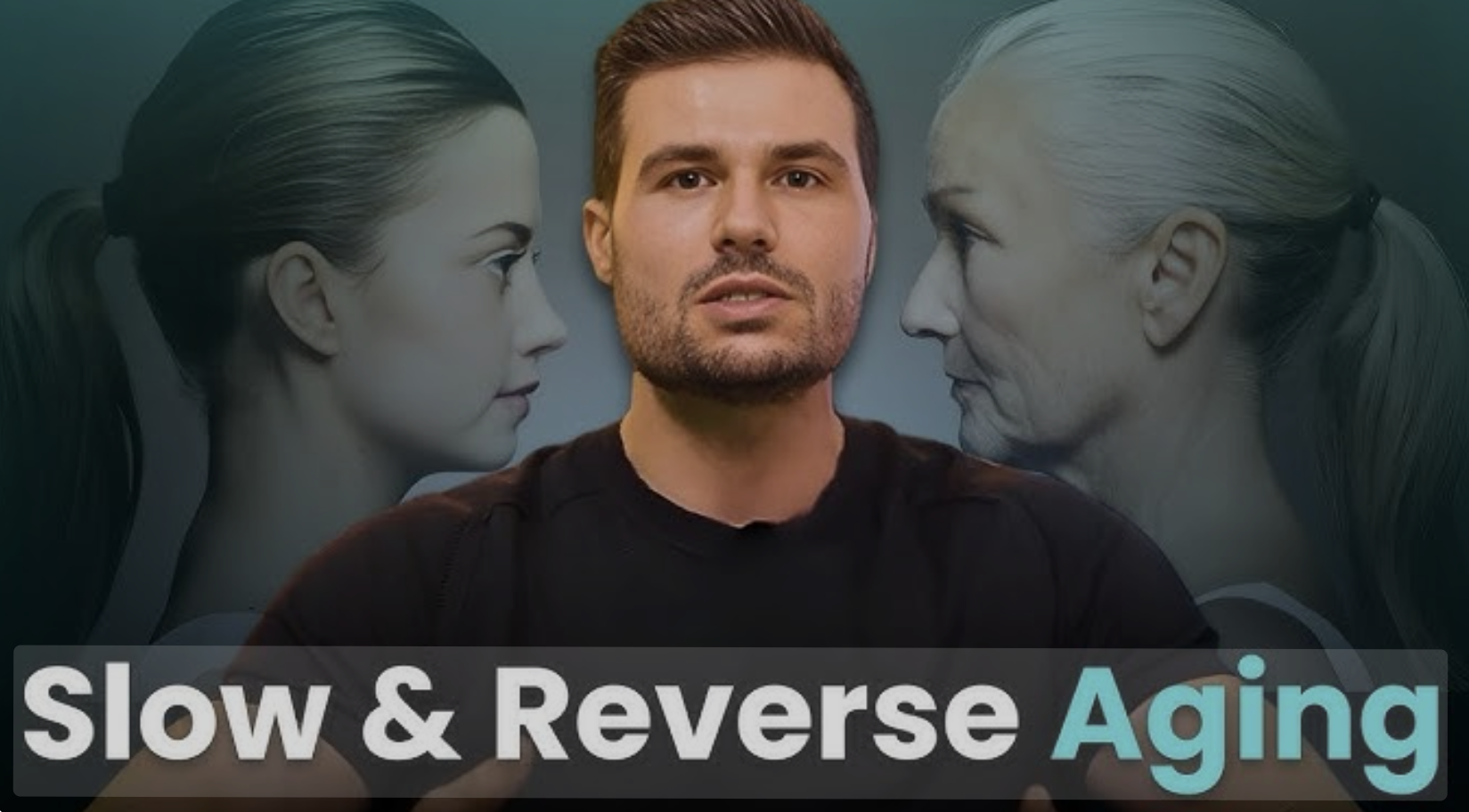
Aging isn’t just a passive decline—it’s driven by 12 biological mechanisms that modern science has identified and, in many cases, can influence. In my latest YouTube video, I break down these causes—like genomic instability, mitochondrial dysfunction, and gut microbiome decline—and show how they directly impact your longevity. The powerful part? These mechanisms are interconnected, meaning improvements in one area can create positive ripple effects across your entire body.
This science forms the foundation of my approach to longevity: targeting the root causes of aging to improve both lifespan and healthspan. With the right lifestyle interventions, supplements, and habits, you can take real control of how you age. If you’re ready to explore the practical steps to slow aging and enhance vitality, check out the full video here.
Transcript
00:00:00.080
Most of us go through life assuming aging is an inevitable, immutable force. As long as we stay healthy and avoid disease, we hope to live as long as our parents or grandparents. But what if I told you that the aging process itself is malleable? What if we could slow it down or even reverse aspects of it?
00:00:09.920
Scientific research over the past few decades has revealed that aging is not just a passive process, but one that is driven by specific biological mechanisms. These mechanisms—12 fundamental causes of aging—define how and why we age. They also determine our risk for specific diseases like cancer, heart disease, Alzheimer’s, and just about everything else that we see go wrong with age. When we target them, we have the potential to slow down aging and improve longevity.
00:00:43.760
Here’s a very quick overview of the 12 causes of aging. In future episodes, we’ll dig in deeper.
00:00:48.079
First is genomic instability.
Over time, our DNA accumulates damage from environmental stressors like radiation and toxins. This damage leads to mutations, cellular dysfunction, and contributes to aging-related diseases such as cancer. Genomic instability affects other hallmarks of aging by impairing cellular function and triggering chronic inflammation.
00:01:08.320
Second is telomere attrition.
Telomeres are the protective end caps of our chromosomes. They protect our DNA. They shorten with each cellular division. When they become too short, cells enter senescence (a zombie-like state) or die, which accelerates aging. Telomere maintenance is crucial for tissue regeneration and longevity.
00:01:28.799
Third is epigenetic alterations.
Our genes don’t just turn on and off randomly. They’re regulated by epigenetic modifications. As we age, these modifications become disrupted, leading to improper gene expression and cellular dysfunction. Lifestyle choices like diet, exercise, and sleep can help maintain a youthful epigenetic profile—essentially, which genes are turned on and which are turned off.
00:01:51.119
Fourth is loss of proteostasis.
Cells rely on proteins to function correctly. But as we age, protein misfolding and aggregation increase, leading to neurodegenerative diseases like Alzheimer’s. Maintaining proteostasis through proper nutrition and stress reduction may enhance our longevity.
00:02:07.520
Fifth is deregulated nutrient sensing.
Our bodies sense and respond to nutrients via key pathways like insulin signaling and something called mTOR. When these pathways become deregulated, it accelerates aging. Caloric restriction and certain dietary interventions help restore balance and promote longevity.
00:02:27.440
Sixth is mitochondrial dysfunction.
Mitochondria are our cells’ powerhouses. They generate energy from the food we eat. Over time, their efficiency declines, leading to increased oxidative stress and reduced cellular function. Supporting mitochondrial health through exercise, fasting, and supplementation can counteract this decline.
00:02:47.280
Seventh is cellular senescence.
As cells age, some enter a state where they stop dividing but don’t die. These “zombie cells,” as they’re often referred to, release harmful inflammatory signals, accelerating tissue deterioration. Senolytic therapies, which clear out these aged, zombie-like cells, are a promising area of research in longevity.
00:03:05.040
Eighth is stem cell exhaustion.
Stem cells help regenerate tissues, but they decline with age, leading to slower healing and reduced organ function. Strategies like fasting, stem cell therapies, and proper nutrition can help replenish your stem cells.
00:03:22.159
Ninth is altered intercellular communication.
Cells communicate through signaling molecules, but aging disrupts this communication, leading to chronic inflammation and immune dysfunction. Anti-inflammatory diets, exercise, and stress management can improve cellular signaling.
00:03:39.760
Tenth is chronic inflammation.
Low-grade chronic inflammation, also known as “inflammaging” (a play on words: inflammation plus aging), is a major driver of age-related diseases. Managing inflammation through diet, lifestyle, and supplementation can slow aging and prevent disease.
00:03:56.239
Eleventh is loss of autophagy.
Autophagy is the body’s way of cleaning out damaged cells and recycling cellular components. With age, this process becomes less efficient, leading to the buildup of cellular debris and increased risk of diseases like neurodegeneration and cancer. Interventions such as fasting, exercise, and specific compounds like trehalose can stimulate autophagy and promote longevity.
00:04:20.880
Twelfth is dysbiosis and gut microbiome decline.
Our gut microbiome plays a crucial role in overall health, but it deteriorates with age, contributing to inflammation, metabolic dysfunction, and neurodegeneration. In fact, there are actually 10 gut-organ axes: the gut and its microbiome have been found to impact our brain, liver, heart, kidney, muscles, skin, lung, bone, pancreas, and reproductive system. A diet rich in fiber, probiotics, and fermented foods can support a healthy gut microbiome.
00:04:54.479
These 12 mechanisms don’t act in isolation. When one declines, it sets off a cascade of deterioration in the others. But more importantly, the opposite is also true: by improving one, we can have a ripple effect of positive changes across all of the other mechanisms and throughout our entire bodies.
00:05:13.199
This interconnected nature means that small proactive steps can yield significant longevity benefits. This knowledge is empowering. Understanding that aging is not a rigid, predetermined process, but something we can influence, has set me on a decade-long journey into the science of longevity. This journey ultimately led to the founding of NOVOS back in 2019—the first and globally leading company dedicated to addressing these mechanisms of aging and helping people take control of their health spans and lifespans.
00:05:40.800
Aging might be inevitable, but how we age is within our control. By targeting these 12 mechanisms, we can live longer, healthier, and more vibrant lives. The future of longevity starts now.
00:05:53.919
So, make sure to like, comment, and subscribe as we dig into everything longevity, including the best lifestyle changes you can make to slow down the process. Make sure you follow me on Instagram, TikTok, X, LinkedIn, and YouTube. I’m all over the place as “SlowMyAge.” Ask questions, engage. I’m here to serve you, the public, and give you the information that you’re looking for.
00:06:14.720
Thank you.